
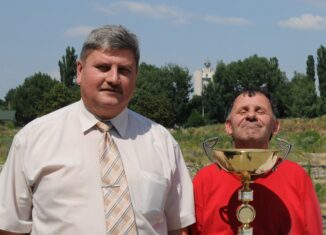
4-го декабря сего года в Федерация легкой атлетики Молдовы (ФЛАМ) был праздник. Международная федерация огласила решение о том, что после доклада по итогам 2024 года был отмечен прогресс, достигнутый в совершенствовании стандартов и процессов судейства начиная с 2022 года, и было решено, что следующие федерации-члены будут исключены из списка мониторинга из-за манипулирования результатами соревнований (в алфавитном порядке): Албания, Армения, Грузия, Казахстан, Кыргызстан, Молдова, Турция и Узбекистан. Образно говоря: «Ложечки нашлись, но осадочек – остался».
Вышеперечисленные федерации подверглись в этот период санкциям различной степени тяжести или угрозе их применения. А руководители большинства отделались легким испугом, за исключением албанских, которые были отстранены/дисквалифицированы на длительные сроки. Позитивные изменения у нас произошли, никто не отрицает. Наконец-то начали понимать, что такое конфликт интересов, курсы прошли по судейству и др. Но главное, что повлияло на снятие мониторинга — это грандиозные изменения, осуществлённые на поле для метаний. Правда за это надо благодарить не ФЛАМ, а в первую очередь министерство и в пояс кланяться директору манежа Василию Фортунэ.
Два года назад после начала мониторинга в ФЛАМ попытались скрыть этот позорный факт, но не вышло, «шило в мешке не утаишь». Кто виноват? Конечно же «зеркало», то есть журналисты, те кто посмел перевести и опубликовать официальный пресс-релиз Международной федерации. Что делать? Наказать тех, кто сделал достоянием общественности этот срам. Тут многоопытные руководители ФЛАМ Балан с Негурэ вероятно «возбудили» горячих метателей, технично перевели стрелки с самих себя на псевдовиноватых.
Тут же появился грубый хейт в социальных сетях со стороны представителей одного известного, но отнюдь не святого семейства. А после отсутствия какой-либо реакции на это действо, появилось «письмо 22-х» в адрес ФЛАМ, НОСК и редакции. К нам оно «добиралось» через федерацию почти полтора года?! Письмецо без конверта заслуживает особого внимания и отдельного материала, так как нарушает множество этических норм, правил и законов как Республики Молдова, так и международных и наглядно показывает кто есть кто из подписантов и организаторов…
Объявление о предстоящем исключении из мониторинга по судейству не говорит о том, что наших «пронесло», проехали. Есть по крайней мере еще один так называемый кэйс. Международная бюрократическая машина едет не спеша, медленно, но, верно (как пример, перераспределение и награждение призеров женской эстафеты 4 х 400 метров лондонской Олимпиады 2012 произошло только сейчас, хотя допинговые нарушения со стороны россиянок, бывших вторыми на финише, выявили много-много лет назад).
Revenons à nos moutons, как говорят французы: тут вообще вопиющий случай игнорирования как международных правил, так и закона Республики Молдова «О физической культуре и спорту» со стороны ФЛАМ. Оказывается, что за сборную Молдовы многократно, в течении ряда лет выступал гражданин другой страны, имеющий только вид на жительство в РМ. Вы об этом не знали? Нет?! Это раньше, в былые времена, называлось просто – «подставка». Подставка не только метателей, но и всех остальных, всей федерации Молдовы.
В правилах Международной федерации о проведении соревнований (Глава первая, раздел: Международные соревнования, правило 5 – Право представлять, говорится, что для того, чтобы иметь право представлять страну, спортсмен должен быть гражданином той страны, которую он будет представлять на международных соревнованиях).
А вот о чем гласит соответствующее положение у нас в стране: «Закон о физической культуре и спорте» N 330-XIV от 25.03.99
Статья 5.
…Иностранные граждане и лица без гражданства, проживающие на территории Республики Молдова, пользуются всей полнотой прав на занятия физической культурой и спортом, предусмотренных настоящим законом, за исключением права выступать в составе сборных команд Республики Молдова на международных соревнованиях.
О ком же идет речь? О шестовике, тираспольчанине, Андрее Федотове, российском гражданине, в Молдове имеющем только вид на жительство. Он многократно выступал за Молдову в различных соревнованиях в нарушении законов и правил.
Как такое было возможным? Президент Анатолий Балан лично решает, кто поедет на международные соревнования, подписывает списки делегаций и запросы на получение виз. Ключевую роль в этом процессе играет и генеральный секретарь Константин Негурэ – он всегда занимал должность главы делегации на всех международных командных соревнованиях. А Ион Фрунзе, который на тот момент работал секретарем Федерации, отвечал за такие вещи, как оформление заявок спортсменов для участия в соревнованиях, заполнение въездной информации и визовых форм. Он держал в руках и снимал копии со всех паспортов и прочих документов… Итак, все трое знали, что делают и осознанно нарушали законы и правила. Говорят, что Ион Фрунзе имеет юридическое образование, ну и ну!
Столь серьезное нарушение в таком виде спорта, как футбол, даже однократное, привело бы к дисквалификации всей команды, снятию с соревнований, аннулированию результатов, штрафам и дисквалификациям всех вовлеченных лиц.
У нас в стране президент ФЛАМ Балан, генеральный секретарь Негурэ и Ион Фрунзе сумели это осуществить, многократно и в течении не одного года. Нарушение, повлекшее дисквалификацию албанских чиновников, по сравнению с нашими, выглядят как детские шалости.
Дело Андрея Федотова стало объектом расследования Минспорта РМ в 2016 году и начале 2017. Генсек молдавской федерации на письменный запрос министерства вообще отрицал участие Андрея Федотова в соревнованиях за сборную.
На последующий запрос уже президент ФЛАМ Балан отписался, что это было лишь один (!) раз и с разрешения делегата Европейской федерации легкой атлетики. Никакой делегат вообще-то не уполномочен давать такие разрешения. А как быть с законом РМ?
Но это все было циничным враньем со стороны руководства федерации, так как Андрей Федотов в течении нескольких лет участвовал не только в соревнованиях на Кубок /Командный чемпионат Европы но и Балканиадах.
Вот хотя бы некоторые данные European Athletics с его результатами на Кубке Европы и Командном чемпионате Европы (3-я и 2-я Лиги):
1.Banská Bystrica SVK 22 — 23 June 2008. European Athletics Cup, Group B
Pole Vault
- Andrei Fedotov — 4.80
- Sarajevo BIH 20 — 21 June 2009 1st European Athletics Team Championships, Third League
Pole Vault
- Andrei Fedotov — 4.50
- Beograd SRB 19 — 20 June 2010 2nd European Athletics Team Championships, Second League
Pole Vault
- Andrei Fedotov – 4.50
- Reykjavik ISL 18 — 19 June 2011 3rd European Athletics Team Championships, Third League
Pole Vault
- Andrei Fedotov – 4.50
- Banská Bystrica SVK 22 — 23 June 2013 4th European Athletics Team Championships, Third League
Pole Vault
- Andrei Fedotov – 4.50
К сожалению, завершить расследование минспорту не удалось. В связи с правительственными реформами министерство было ликвидировано и это расследование не было доведено до конца…
Не было завершено и расследование вероятных финансовых нарушений со стороны ФЛАМ, когда на командные европейские соревнования финансирование изначально шло со стороны государства, а потом финансово покрывалось со стороны Европейской федерации, причем возможно порой и в больших объемах, чем фактические затраты ФЛАМ. Но Министерство об этом до поры до времени даже и не подозревало – «ни сном, ни духом».
Наши тренеры тоже остаются не в курсе, что Европейская федерация покрывала участие в командных соревнованиях до 50 человек (40 спортсменов и 10 официальных лиц). Так сколько тренеров не «доехали», сколько молодых и перспективных спортсменов могли бы получить мотивирующий импульс для совершенствования, если бы не дурацкая гонка за высокими местами и победными рапортами президента Балана, что мы опередили тех-то и тех-то. Вопрос чисто риторический! Мы же не в Высшей или в 1-ой Лиге соревновались.
Наша тройка «героев» думают сегодня, что вышли сухими из воды, за давностью времени и сложностью дела все быльем поросло. По крайней мере результаты 5-ти чемпионатов надо пересматривать, а кому это надо? Кто-то скажет, что результаты Андрея Федотова – никакие по международным меркам. Так-то оно так, но в 2009 году именно благодаря очкам, привнесенным им в командную копилку, Молдова вышла во вторую Лигу оставив за бортом сборную Дании!!!
Эти «художества» не имеют срока давности.